Hikoi o te Taoka
March of the Treasures
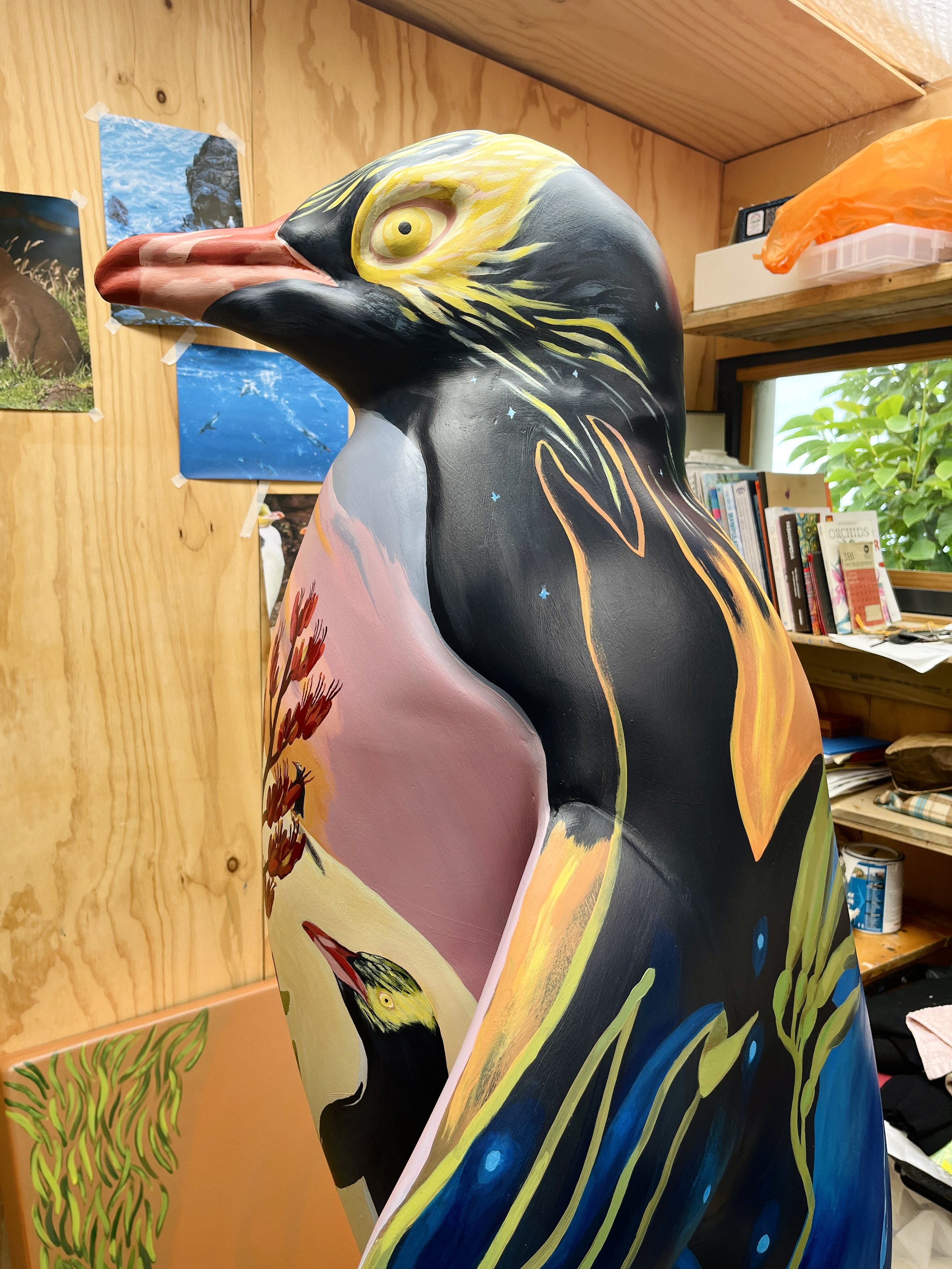
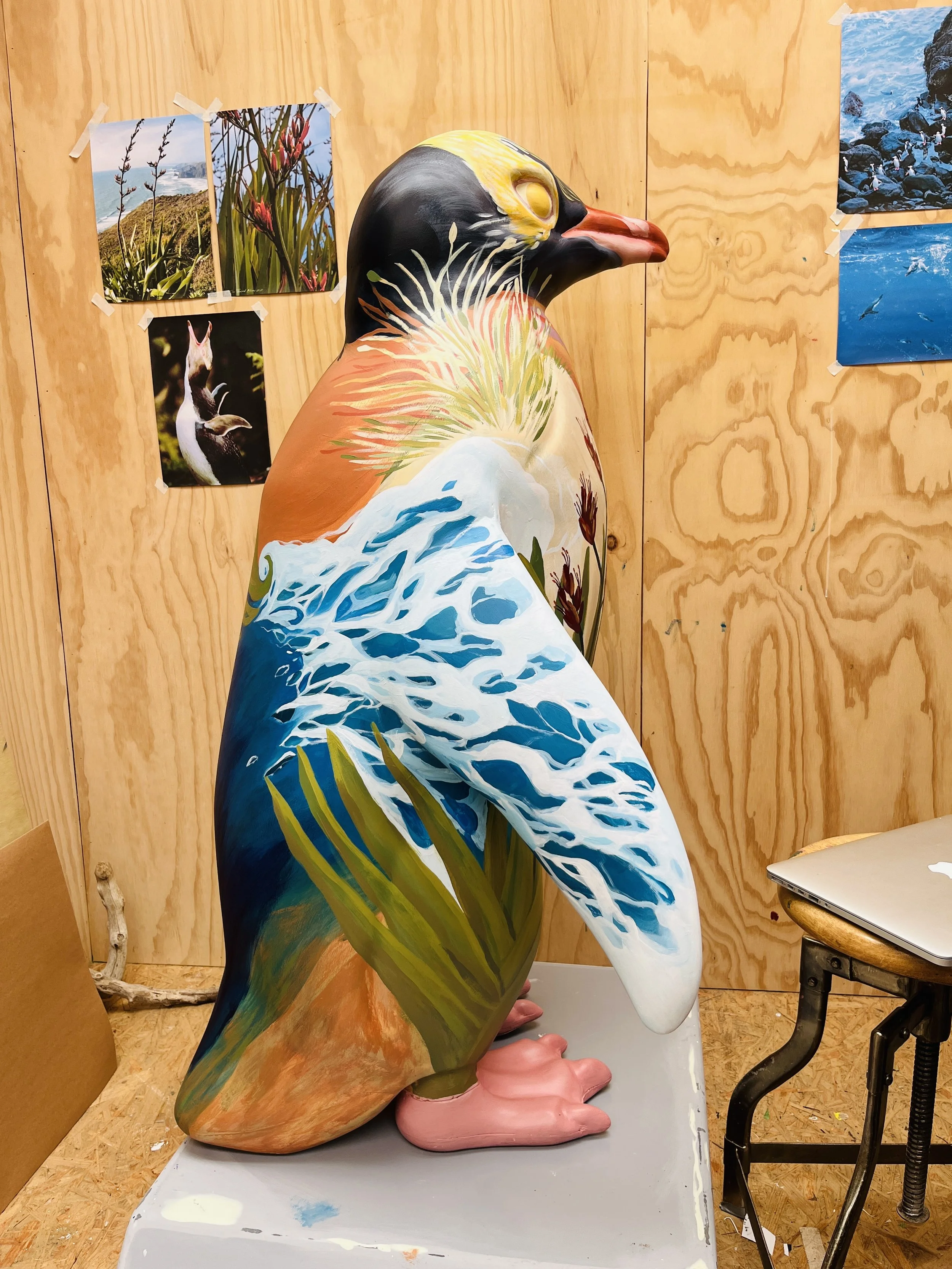
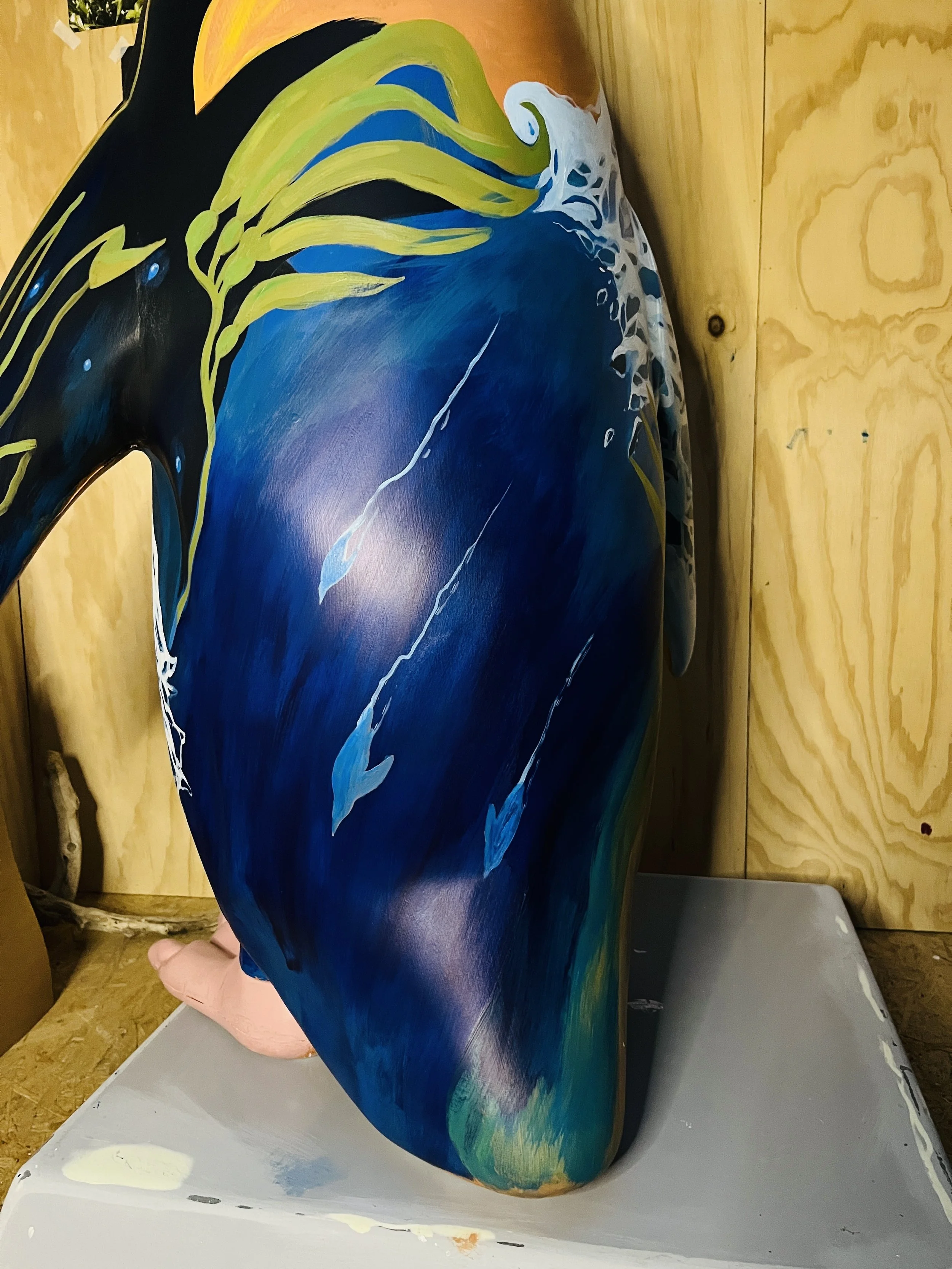
Hikoi o te Taoka | March of the Treasures (2026) is an inaugural art activation initiative designed to raise awareness and funding for further research and conservation of Aotearoa’s endangered wildlife.
The penguins have been dispersed throughout Queenstown, Wanaka, Arrowtown, Oamaru and Dunedin. This Harakeke hoiho is stationed at the Lakes Museum in Arrowtown (22nd Feb - 11th April)
22nd Feb - 11th April 2026 - Hikoi o te Taoka Art Trail
12th April 2026 - They will all be back in Dunedin together for NatureDome at the Forsyth Barr stadium
16th & 19th April 2026 - Volunteer in a replanting project. Register your interest with Otago Shore and Land Trust
14th May 2026 - An exhibition following at Tūhura Museum for the rest of Wild Dunedin Festival
17th May 2026 - Live Auction at Tūhura Museum on so look out for that!
Unfortunately, the hoiho, a species of penguin endemic to New Zealand, are nationally endangered with their numbers in steep decline. The Department of Conservation (DOC) data showed the northern population had collapsed by 80 percent since 2008, from 739 breeding pairs to just 143. Reference
This funding initiative seeks to bring together the power of public art and community spirit by transforming locations around Southern New Zealand into a vibrant art trail, where each artistically designed hoiho tells the story of their fight for survival.
There’s no denying that human activity has profoundly shaped the world’s flora and fauna. With that impact comes a shared responsibility to protect and sustain what remains. When we step into nature and feel that sense of connection, it’s a clear reminder that we are not separate from the natural world, we depend on it.
Before painting the hoiho, I spent time learning about this beautiful animal. It felt important that the work be considered and intentional, rather than an artwork that could be imposed on any canvas. What it is distinctly apparent is their yellow band which wraps around the eye and joins at the crest of their head. The English translation for hoiho is ‘noisy shouter’. They communicate with a loud shrill to find mates and their chicks.
The hoiho have benthic feeding habits meaning they feed off the ocean’s seabed so they can dive to depths of up to 160m. Feeding off the ocean’s seabed leaves them vulnerable to set net fishing of which they can become entangled in. They spend most of their day out on the ocean and make their way back to their nests inland in the late afternoon. The 3D aspect of this sculpture enabled this opportunity to visualise their daily movements. Their feet and flippers appear pink as their extremities flush with blood to keep their bodies warm. As I painted the inner left flipper pink the idea of blood led me to think about the iron provided through breastfeeding and I was compelled to paint a hoiho chick. This particular sculpture stands at 1.4m but the height of the hoiho is 65- 75cm.
It is considered one of the world’s rarest penguin species because it’s population numbers are small, declining, and it is endemic to New Zealand and its outlying islands, meaning it isn’t found anywhere else in the world. This also makes it more vulnerable to local threats. To protect this penguin we can each learn and understand what these threats are.
I’m proud to contribute my art towards a campaign that supports the conservation of the hoiho. Thanks to the Otago Land and Shore Trust for placing faith in my work as an artist and in valuing the mahi of local craftspeople.
Once these hoiho sculptures go on public display, you can vote for your favourite hoiho and make a contribution. Donate here
Ngā mihi nui ki a koutou katoa. Salamat Paraming. Many Thanks
To watch the painting process: Art with Purpose - Painting a Hoiho Sculpture
The Wild Dunedin Festival 2026 - Nature Dome
An inaugural event highlighting the beauty of New Zealand’s flora and fauna and to raise funds for conservation and environmentally driven education initiatives.
After the Art Trail concluded the hoiho were brought together at Sunday’s Nature Dome event in association with The Wild Dunedin Festival - April 12th, 2026.
It’s wonderful to see how the community engaged voted and donated.
The Otago Peninsula Eco Restoration Alliance (OPERA) Rewild Project
OPERA has set itself an ambitious task: to convert 100 hectares of pastureland along the Otago Peninsula coast back into native habitat where indigenous species can live and thrive. This vision extends far beyond the hoiho. It is about creating a home for many forms of life to return and flourish.
It felt like lip service to paint the penguin without becoming physically involved in conservation efforts, so I felt a strong urge to live out my values through action. I have since signed up for future volunteer opportunities and look forward to continuing to contribute in a more hands-on way.
If you would like to contribute consider signing up: https://theopera.co.nz/restoration/
Or book a tour at the OPERA to see the work for yourself.